

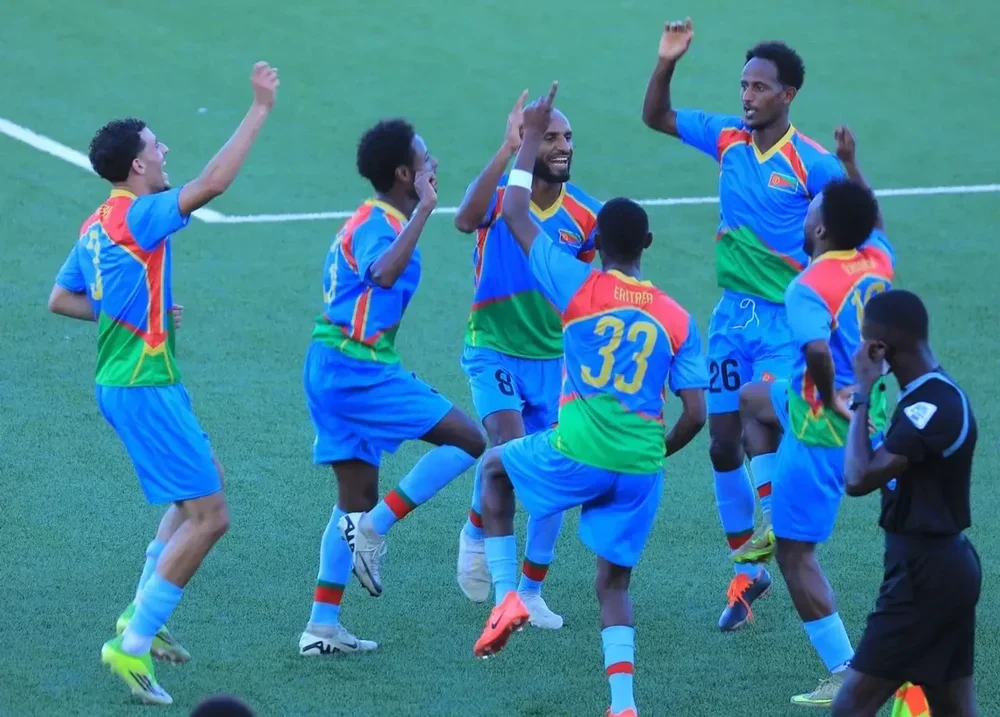
Seven players from the Eritrean national football team have refused to return home following an away match, marking another high-profile escape from the troubled nation.
At the end of March, Eritrea secured a 2-1 away victory over Eswatini (formerly Swaziland) in the preliminary round of the 2027 Africa Cup of Nations qualifiers. This win gives Eritrea a slim chance to advance to the group stage and potentially qualify for the tournament for the first time. However, the team may now lack players to compete, as each away trip risks players fleeing the country. This time, seven players have gone missing.
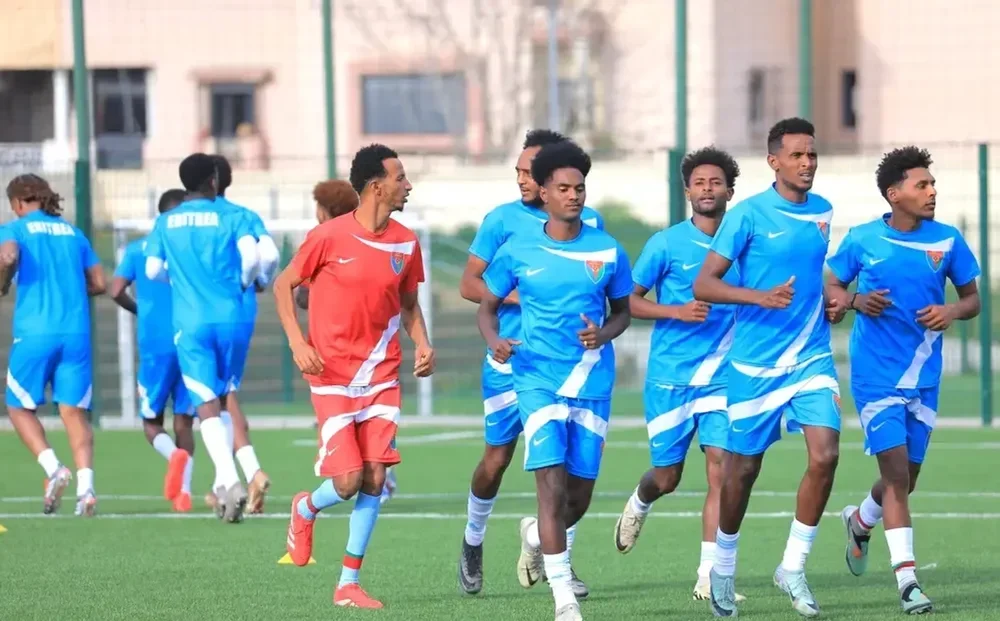
Only three of the local players returned. The coach claimed the missing players were deceived and were not key to the squad.
Eritrea had not played an official match since 2019 due to fears of defections. The team withdrew from the 2026 World Cup qualifiers after being placed in a group with Morocco, Zambia, Congo, Tanzania, and Niger, as authorities considered these countries too attractive for players to stay. In March, they resumed competition in the Africa Cup of Nations qualifiers, which included a preliminary round for weaker teams. Eritrea faced Eswatini in a single away leg, a convenient schedule to regain FIFA ranking points (teams must play at least one match in 48 months to be ranked). A 2-0 home win lifted them to 184th place.
But the away match carried the risk of player defections. Ten players from local Eritrean clubs traveled to Eswatini, but only three returned. According to Foot Afrika, the others are hiding, with some spotted in South Africa, a neighboring country about 5,000 kilometers away – a safe distance from the Eritrean government.
The authorities quickly responded to the escape. A planned grand reception for the victorious team was canceled. A representative of the Eritrean Sports Commission, who posts team updates on social media, attempted to downplay the situation by posting photos from a reception at the Egyptian embassy in Eritrea, claiming all players had returned. However, only three players appeared in the images, exposing the deception.
Reaction within Eritrea has been harsh. The national team coach dismissed the missing players, stating, “They were deceived. They are reserve players, not the main squad. They aren’t even professionals. There seems to be an agent who promised them professional contracts abroad if they didn’t return.”
Eritrea now faces the group stage of the qualifiers, starting in September. The team was already likely to withdraw, and the defections increase that probability.
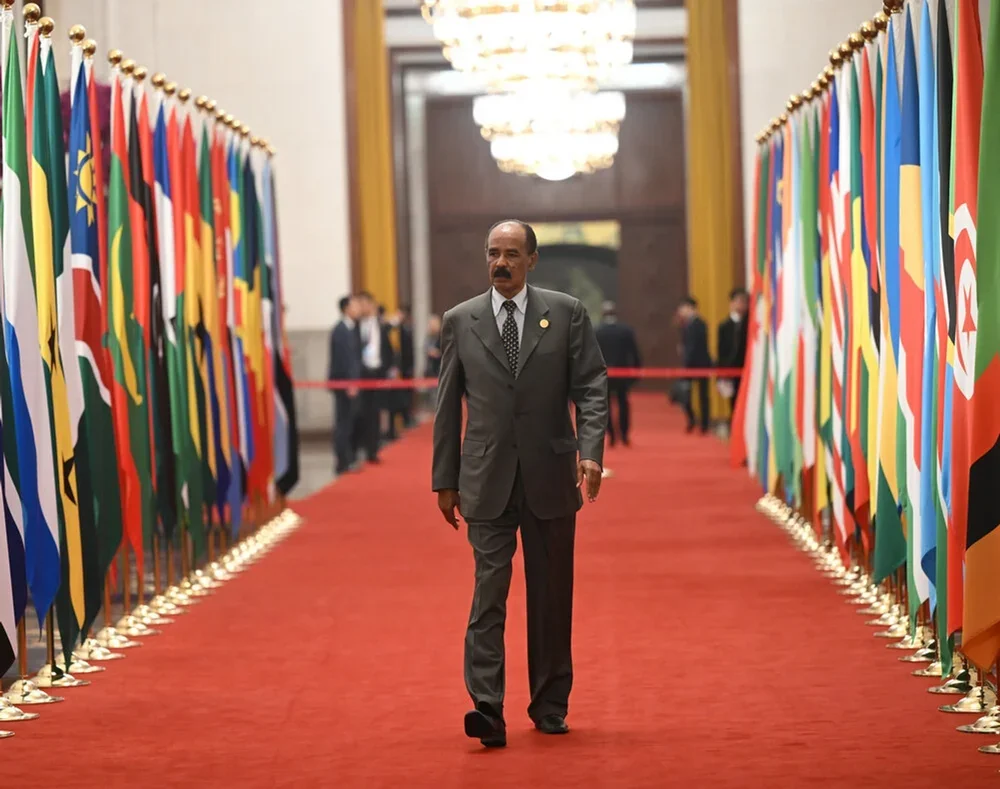
Eritrea is a closed, totalitarian dictatorship where indefinite military conscription and a president who has ruled for 35 years drive mass emigration. The country borders Sudan, Ethiopia, and Djibouti, with war-torn Somalia nearby and conflict-ridden Yemen across the Red Sea. Despite this unstable region, Eritrea stands out for its poor human rights record.
President Isaias Afwerki, 80, has been in power since 1991, leading a single-party state where dissent is crushed and independent journalism is nonexistent (ranked 180th out of 180 in press freedom). The military conscription system has no fixed term; soldiers never know when they will return home. Recruitment ages are flexible, with even teenagers and men as old as 55 being mobilized during conflicts. Health conditions are ignored. Soldiers are used as cheap labor on farms, construction sites, and even as teachers, earning almost nothing.
This oppression fuels one of the world’s highest emigration rates. The UN estimates around 600,000 Eritreans have left the country, representing at least 8.8% of the population (based on a maximum estimate of 6.7 million). Using World Bank figures, the percentage jumps to 16%, not including illegal migration.
Footballers are among those fleeing. In the last 17 years, about 70 players have left. Notable mass deflections before 2026 include:
– 2019: Seven players from the U-20 team fled in Uganda during the CECAFA Cup.
– 2015: Ten senior team players disappeared after a World Cup qualifier in Botswana.
– 2013: 15 players sought asylum in Uganda.
– 2009: The entire team (12 players) disappeared in Kenya, leaving only the coach and one official.
Eritrea is a nation where even national team players dream of escape, seizing any opportunity – like the first away match in seven years.
For more on Eritrea, officially one of the world’s worst economies: Eritrea was once among Africa’s poorest, but its clubs once played in the Italian league.
Photos: Gettyimages / Patrick Robert – Corbis / Contributor; Jin Liangkuai/XinHua/Global Look Press; cafonline.com
Eritrea national team | Politics | Incidents | Eswatini national team | Africa Cup of Nations | Africa Cup of Nations qualifying
